
Author: Site Editor Publish Time: 2026-07-11 Origin: Site

Modern architectural design places immense pressure on builders to meet strict energy codes. You might wonder if aluminum belongs in modern, eco-conscious buildings. Traditional aluminum has a well-known historical flaw. It conducts heat rapidly. Because of this, buyers logically question its energy efficiency.
However, engineering has evolved significantly over the past two decades. The industry introduced thermally broken frames and advanced glazing systems. These innovations sparked a massive paradigm shift in construction standards. They transformed aluminum into a high-performance material. Today, builders choose it for demanding commercial structures and high-end residential homes.
Our article provides a transparent, metric-driven framework. We will help you evaluate if an aluminum insulated window fits your specific project. You must look beyond initial material assumptions. We focus on long-term energy performance and structural durability. You will learn to assess standardized metrics and understand implementation realities. This ensures your final investment delivers genuine efficiency and lasting indoor comfort.
Modern aluminum insulated windows rely on polyamide "thermal breaks" to stop heat transfer, neutralizing the metal's natural conductivity.
When combined with a high-quality double glazing window unit, thermally broken aluminum achieves U-factors that meet or exceed stringent energy codes.
While upfront costs are higher than vinyl, aluminum's superior structural integrity allows for larger glass expanses and decades of maintenance-free energy savings.
Proper evaluation requires assessing certified NFRC metrics, specifically U-Factor, Solar Heat Gain Coefficient (SHGC), and Air Leakage.
To understand modern efficiency, you must look inside the frame. The secret lies in a structural component called a thermal break. Manufacturers no longer use solid metal extrusions. Instead, they separate the interior and exterior aluminum profiles completely. They insert reinforced polyamide struts between these metal halves. Polyamide acts as a highly effective insulator. It shares the same structural load-bearing capacity as aluminum but conducts practically no heat. This non-conductive barrier physically interrupts the thermal bridge. It stops outside cold from traveling inside during winter. It also keeps your indoor air conditioning from escaping during summer.
However, the frame represents only half the efficiency equation. You must pair these broken frames with a high-quality double glazing window system to maximize overall envelope performance. Single panes offer zero real insulation. Double glazing traps a layer of gas between two panes of glass. Triple glazing adds a third pane for extreme climates. Industry experts fill these spaces using inert gases. Argon and krypton gases dense up the cavity. They drastically reduce conductive heat transfer compared to normal atmospheric air. Krypton works best in narrow glass gaps, while argon dominates standard sizes.
You must also pay close attention to the glass edges. Condensation often forms where the glass meets the metal spacer. Traditional aluminum spacers conduct cold directly to the interior glass surface. Builders solve this fundamental flaw using warm-edge spacers. These non-metallic spacer bars separate the glass panes using silicone or composite materials. They eliminate cold spots at the vulnerable glass edge. This simple upgrade prevents moisture buildup, stops mold growth, and protects your interior drywall and paint finishes.
You cannot rely on vague marketing claims or generic sales brochures. You need standardized, verifiable metrics to confirm energy performance. The Department of Energy (DOE) recognizes several core measurements for fenestration products. The U-factor stands out as the most critical metric. It measures overall insulation capability and the rate of heat loss. A lower U-factor indicates much better insulation. Always evaluate the whole-window U-factor. Some suppliers only quote center-of-glass metrics to make their products look better. This practice actively misleads buyers. The whole-window metric accounts for the frame conductivity, the spacer efficiency, and the glass performance combined.
Next, examine the Solar Heat Gain Coefficient (SHGC). This metric measures how much solar radiation transmits through the glass. You must specify your SHGC based entirely on your local climate zone. Low SHGC glass works best for cooling-dominated climates like Florida or Arizona. It blocks unwanted solar heat from baking your living room. Conversely, heating-dominated northern climates require a higher SHGC. A higher rating allows free solar heat to warm your interior during freezing winter days.
Finally, assess Air Leakage (AL) and Condensation Resistance (CR). Drafts ruin energy efficiency faster than conductive heat loss. Rigid aluminum excels in this specific area. It prevents frame warping over long periods. Plastic and vinyl expand and contract significantly under direct sunlight. This daily thermal movement compromises weather seals. Aluminum maintains its rigid shape. It creates a genuinely airtight energy saving window that resists drafts for decades.
Performance Metric | What It Specifically Measures | Ideal Range (Cold Northern Climates) | Ideal Range (Hot Southern Climates) |
|---|---|---|---|
U-Factor | Insulation capability and heat loss rate | ≤ 0.27 | ≤ 0.40 |
SHGC | Amount of solar heat transmitted indoors | 0.30 - 0.60 | ≤ 0.25 |
Air Leakage (AL) | Volume of drafts through the assembly | ≤ 0.30 cfm/sq ft | ≤ 0.30 cfm/sq ft |
Condensation Resistance (CR) | Ability to resist interior moisture formation | Higher is better (50+) | Moderate importance |
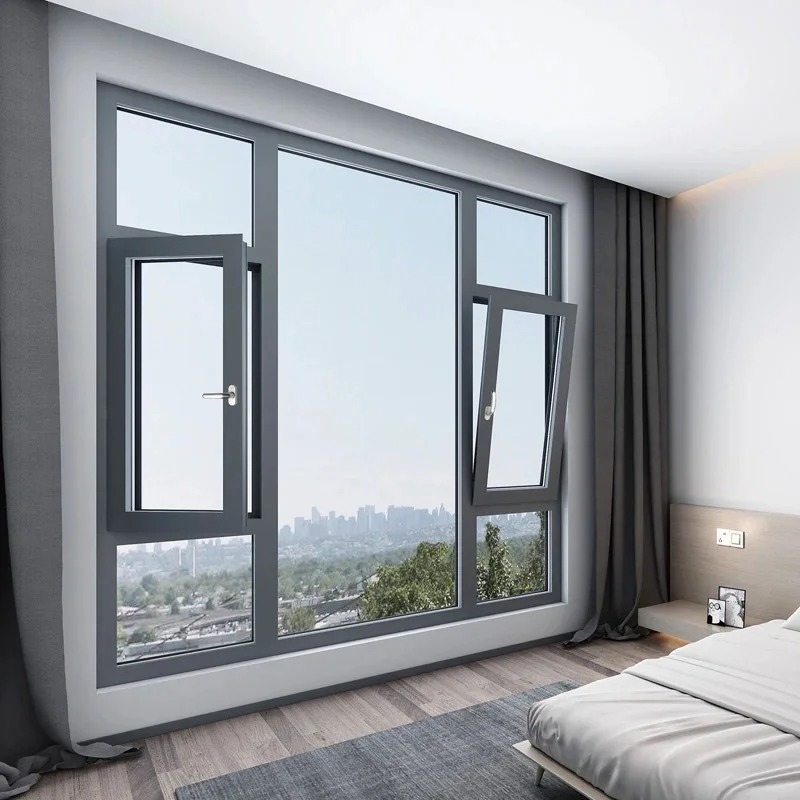
Material selection directly impacts long-term efficiency and structural survival. We must objectively compare aluminum against vinyl and traditional wood. Aluminum provides absolutely unmatched structural integrity. This inherent strength allows for significantly narrower sightlines. You get slimmer frames with a modern aesthetic. Slimmer frames accommodate thicker, heavier insulated glass units (IGUs). You can install massive glass expanses without sacrificing natural light. Vinyl simply cannot support heavy triple-pane glass without adding bulky, unappealing steel reinforcements.
Longevity forms the backbone of any smart architectural investment. Aluminum resists UV degradation flawlessly. It does not rot, swell, or invite termites like wood. It does not chalk, crack, or warp like vinyl. Vinyl remains highly vulnerable to extreme temperature fluctuations. Intense summer heat waves can distort plastic frames permanently. This distortion breaks structural weather seals. Once the primary seals fail, the insulating argon gas escapes. Your energy efficiency instantly drops to zero.
Property managers and commercial builders prioritize long-term performance over initial discounts. Vinyl offers a much cheaper upfront price tag. However, aluminum delivers a verified 30 to 40-year lifespan. It maintains consistent thermal retention year after year. This incredible longevity offers powerful long-term value through permanently lowered energy bills. You replace the units less often. You repair them rarely. You spend less money running heavy HVAC equipment.
Thermally Broken Aluminum: Highest structural strength, ultra-narrow sightlines, highly resistant to UV degradation and warping.
Standard Vinyl: Cost-effective upfront purchase, noticeably thicker profiles, highly susceptible to extreme heat distortion and seal failure.
Traditional Wood: Excellent natural insulation properties, requires heavy ongoing maintenance, highly vulnerable to rot, mold, and moisture damage.
Even the highest-rated products fail if improperly executed on the job site. You face specific, avoidable risks during implementation. The condensation risk remains a primary concern for architects. Poorly specified aluminum will inevitably sweat in cold climates. If you mistakenly buy non-thermally broken frames, heavy moisture will form indoors. Even thinly broken profiles perform poorly in freezing weather. This internal sweating leads to costly moisture damage around your drywall and wooden sills.
Installation integrity matters just as much as factory manufacturing quality. A high-performance thermal insulation window becomes completely useless if installed poorly. Installers must use adequate sill pan flashing. They must apply proper perimeter insulation using low-expansion foam. Incorrect shimming misaligns the heavy frame. A misaligned frame puts immense stress on the delicate glass seals. Over time, these tiny gaps allow massive air infiltration. Drafts quickly destroy your carefully planned energy efficiency strategy.
Common Installation Mistakes to Avoid:
Skipping low-expansion polyurethane foam around the rough opening gaps.
Failing to level the sill perfectly, causing long-term mechanical stress on the glass seals.
Using incompatible silicone sealants that chemically degrade against the aluminum finish.
Ignoring proper drainage weep hole placements during exterior caulking.
You must also plan for thermal expansion. Aluminum expands and contracts at a highly predictable rate. This tiny movement requires specific, flexible sealant joints. Proper elastomeric caulking accommodates this daily thermal movement. It maintains an airtight building envelope over time. Hiring factory-certified installers mitigates these risks entirely.
Selecting the ideal product requires a systematic, objective approach. You must look past glossy brochures and sales pitches. Verification and certification stand as your primary, non-negotiable filters. Always demand National Fenestration Rating Council (NFRC) labels. Look strictly for Energy Star certifications relevant to your specific region. Manufacturer claims often reflect ideal, unrealistic laboratory testing conditions. Independent NFRC labels give you the unvarnished truth about real-world performance.
You need strict criteria to evaluate potential suppliers. Ask direct technical questions about their engineering standards. Use this supplier evaluation checklist before signing any purchase orders:
Glass Seal Failure Warranty: Demand at least 10 to 20 years of prorated coverage. A strong warranty proves the manufacturer trusts their spacer technology.
Thermal Break Thickness: Verify the actual polyamide strut thickness in millimeters. Wider struts provide drastically better insulation.
Low-E Coating Options: Ensure they offer customized metallic coatings tailored specifically to your regional climate zone.
Best Practice: Always request detailed cross-sectional drawings of the window profile. This lets you visually confirm the thermal break dimensions. It also shows you the internal chamber design.
We recommend specific next-step actions before finalizing your purchase. First, conduct a localized energy audit on your existing structure. An audit accurately identifies your exact building envelope weaknesses. Second, consult local municipal building codes. Energy regulations grow significantly stricter every single year. Ensure your specification exceeds current minimums. This proactive approach future-proofs your property value and maximizes daily comfort.
An aluminum insulated window is highly suitable for energy saving, but only under strict engineering conditions. It must be properly manufactured. It absolutely requires a robust polyamide thermal break. It needs high-performance, argon-filled glazing with warm-edge spacers. Without these critical elements, standard aluminum remains a highly conductive liability.
We strongly recommend prioritizing whole-window performance metrics over isolated, cheap material costs. Focus entirely on long-term sustainability and indoor comfort. Evaluate U-factors and SHGC numbers strictly against your local climate requirements.
Your next step is clear and actionable. Review your architectural plans carefully. Audit your climate requirements with a professional. Select an independently certified manufacturer to secure a lasting, highly efficient building envelope for decades to come.
A: Yes, modern thermally broken aluminum matches and sometimes exceeds vinyl's energy efficiency. Older aluminum conducted heat rapidly. However, new polyamide thermal breaks neutralize this structural issue completely. This technology closes the performance gap. Furthermore, aluminum offers far superior durability. It actively resists the sun-induced warping that frequently compromises vinyl window weather seals over time.
A: A thermal break regulates interior surface temperature. It physically separates the freezing exterior metal from the warm interior metal using a non-conductive polyamide strut. Because the interior aluminum stays very close to your room temperature, indoor humidity does not reach its dew point. This simple physics principle prevents condensation from forming on the frame.
A: No architectural window completely stops 100% of heat loss. Double glazing significantly reduces conductive and convective heat transfer, especially when filled with dense argon gas. The primary goal is minimizing the U-factor, not achieving absolute zero heat loss. High-quality glazing drastically slows down the rate of expensive energy escaping your building envelope.
A: Yes, they frequently justify the initial financial investment. Aluminum provides a robust 30 to 40-year lifespan without warping or degrading. This structural longevity ensures your gas-filled seals remain perfectly intact. Over several decades, the sustained reduction in daily HVAC loads and minimal maintenance requirements reliably offset the higher initial purchase price.


