Product Description
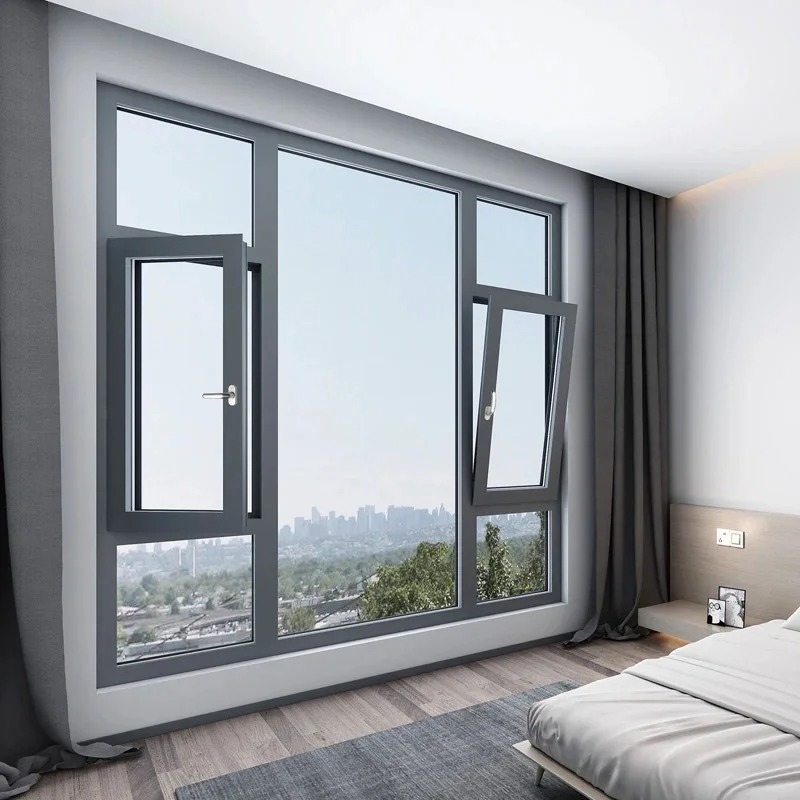
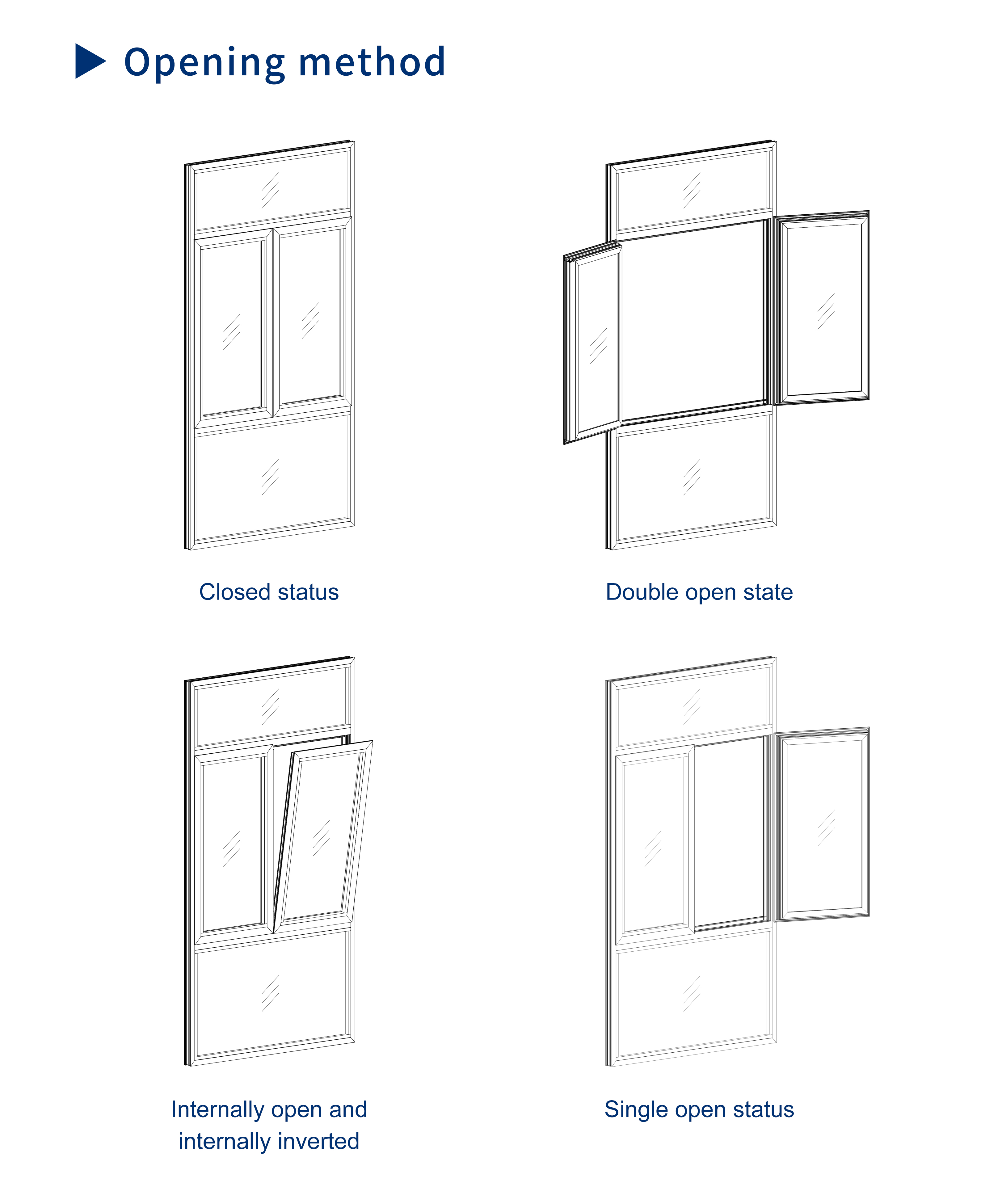
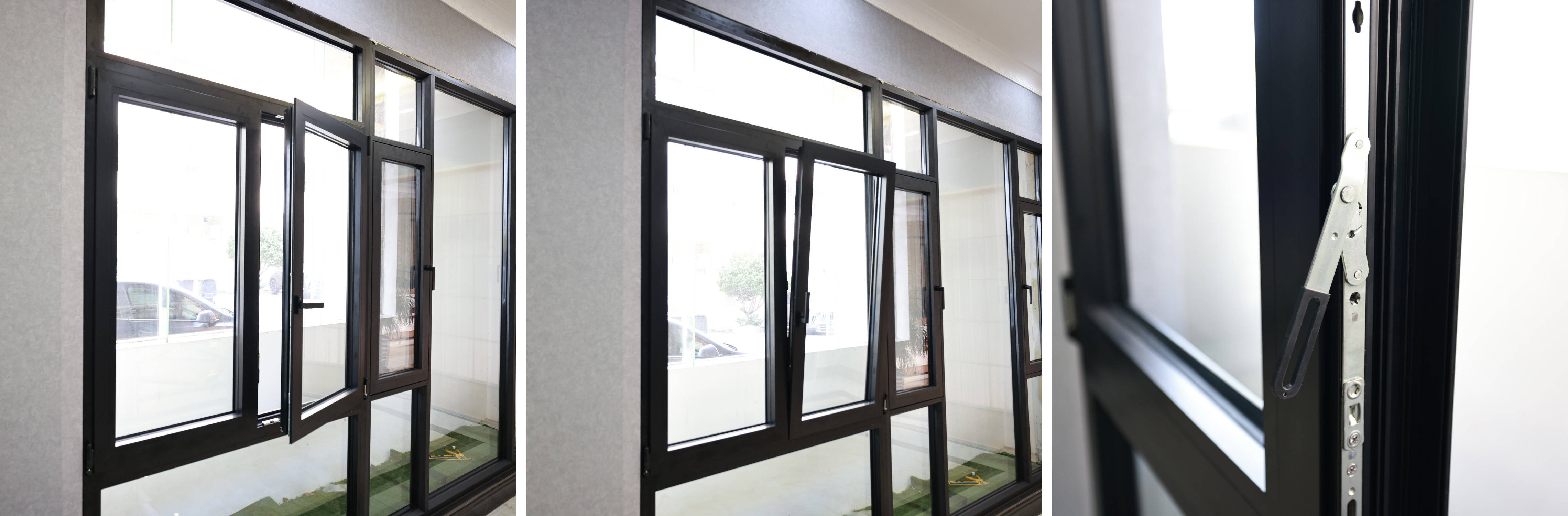
The Aluminum Double Casement Windows are designed for buildings that need more than a basic opening sash. They are built for environments where ventilation, insulation, sealing, and appearance must work together rather than compete. The current product page presents this model as a dual-action system that combines engineering with bioclimatic design, using a triple-mode operation logic based on tilt, turn, and double swing. That operating flexibility gives the window a stronger practical value than a simple fixed-opening casement because it allows the interior environment to be managed more precisely across different weather conditions and daily usage patterns. Thermal breaks and structural reinforcement are also highlighted on the original page, which positions the product clearly within the performance-oriented casement window category.
From a design perspective, aluminum double casement windows are often chosen because they keep the elevation cleaner while offering a more open and controlled ventilation experience. Industry competitors repeatedly emphasize double glazing, soundproofing, thermal efficiency, and security, while major brand pages stress expansive glass, narrow profiles, and stronger airflow compared with many vertically sliding formats. This product fits that same value direction well. Its aluminum alloy construction gives the frame a crisp and technical outline, while the insulating and sealing logic supports a quieter, more comfortable interior feel. The result is a window that works not only as a façade component, but as a meaningful contributor to indoor comfort, light quality, and architectural clarity.
Product Specifications
| Item | Details |
|---|
| Product Name | Aluminum Double Casement Windows |
| Model | KR |
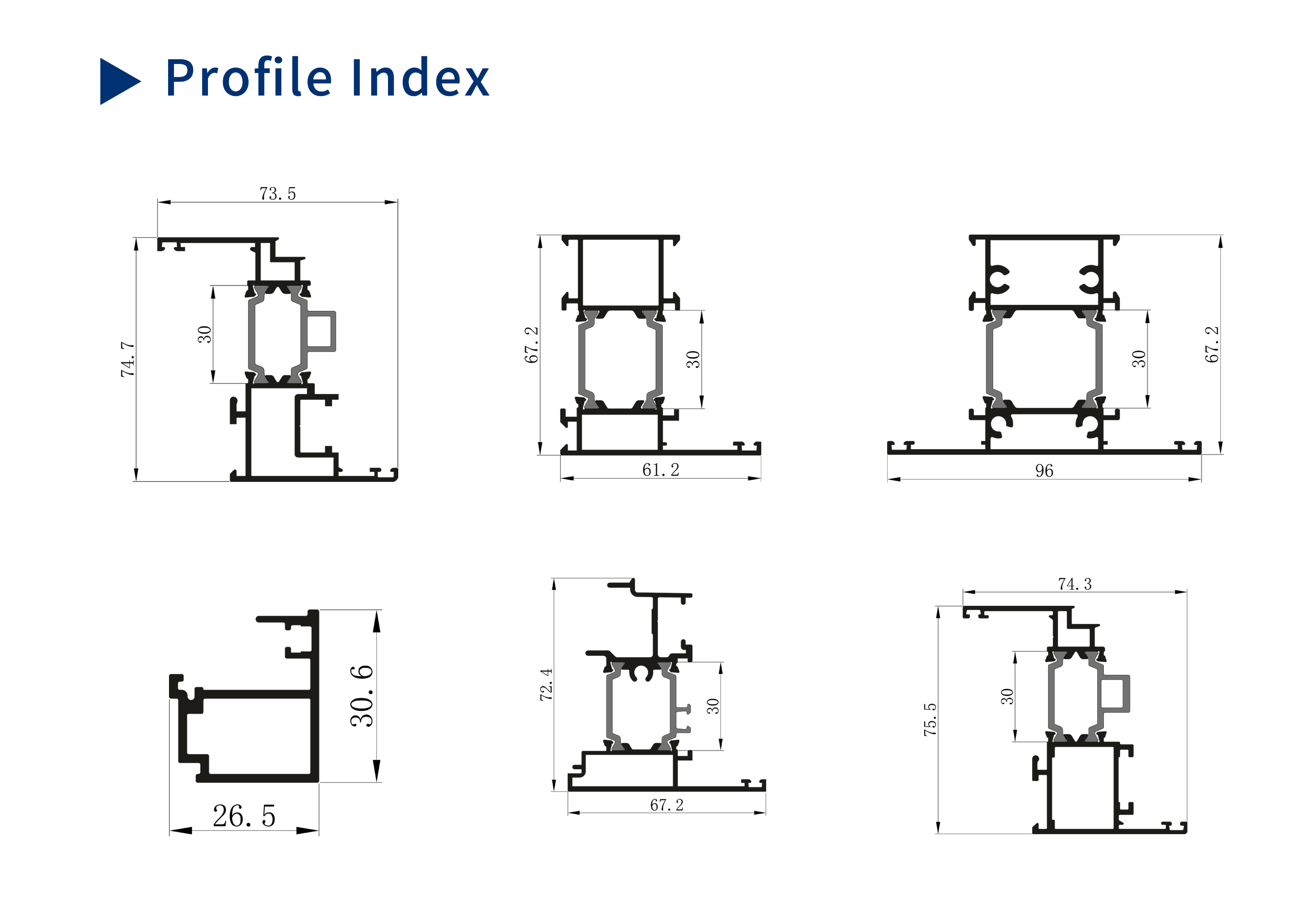
| Material | Aluminium Alloy 6063 Series |
| Temper | 6063-T5 |
| Operating Style | Tilt, Turn, Double Swing |
| Core Positioning | Insulated Double Casement Windows |
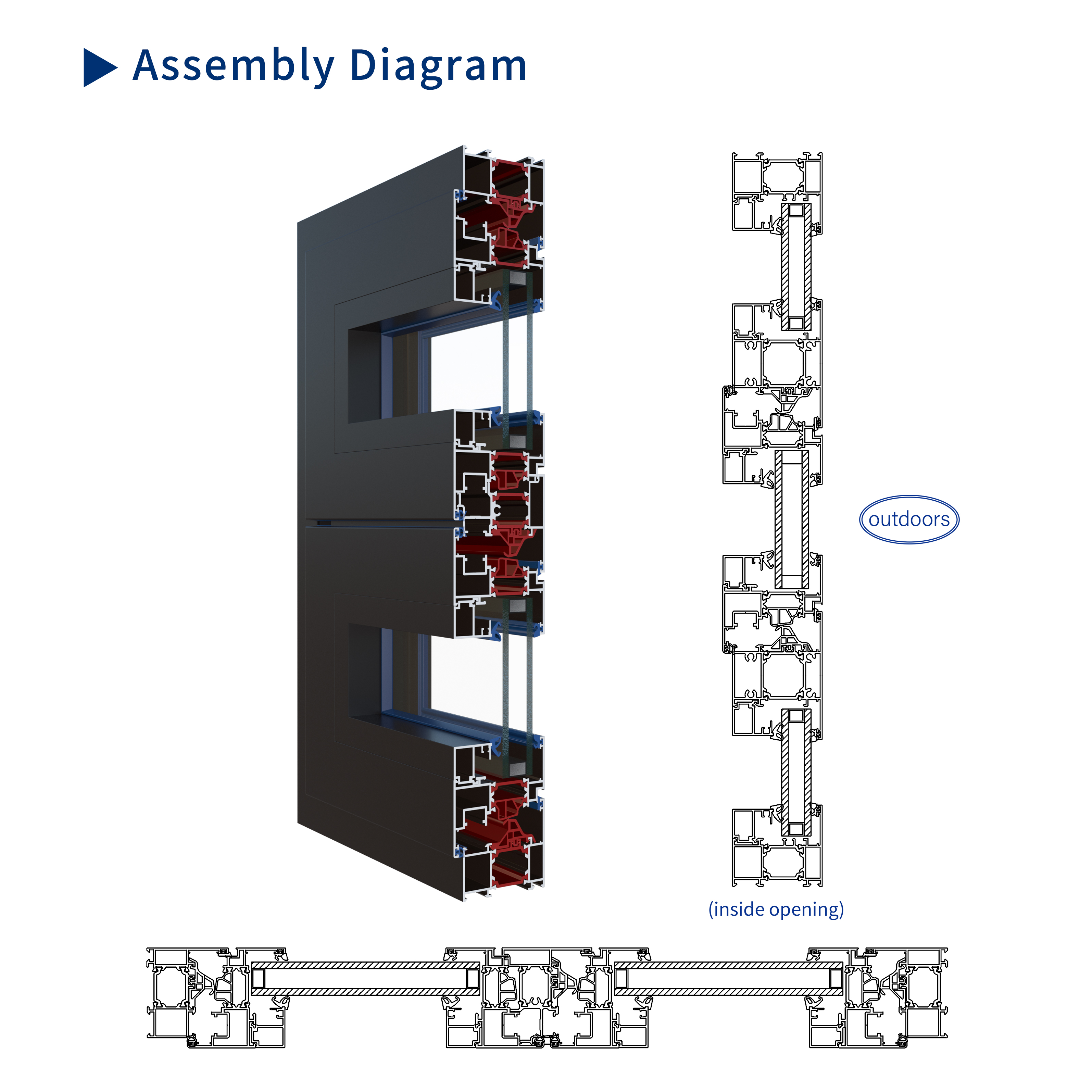
| Structural Features | Thermal breaks, structural reinforcement |
| Product Advantage | Seal insulation, dual-casement synchronization, structural reinforcements |
| Alias / Performance Direction | Heat insulation window, sound insulation window, waterproof window, double casement window, tilt and turn window |
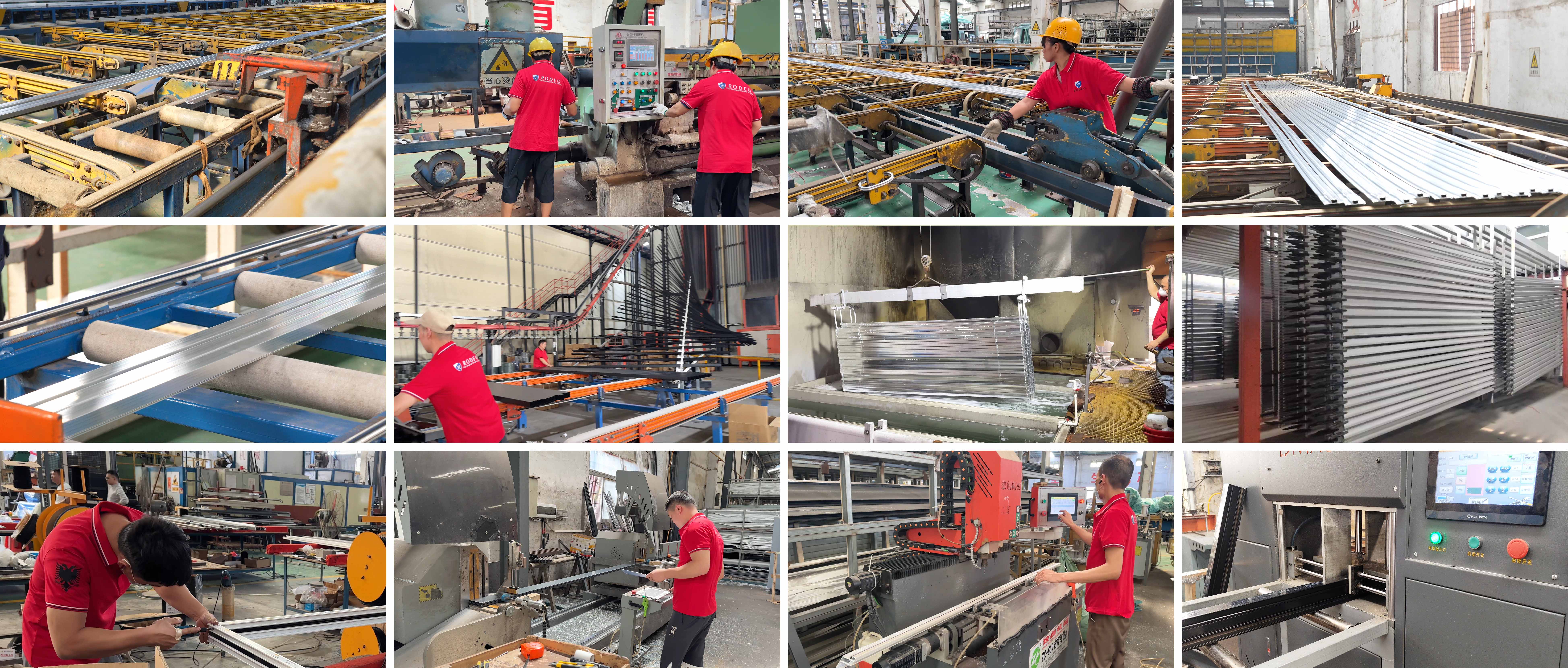
| Surface Treatment | Mill finish, fluorocarbon spray, anodizing, polishing, frosted, brushing, electrophoresis, powder coating, wooden grain coating |
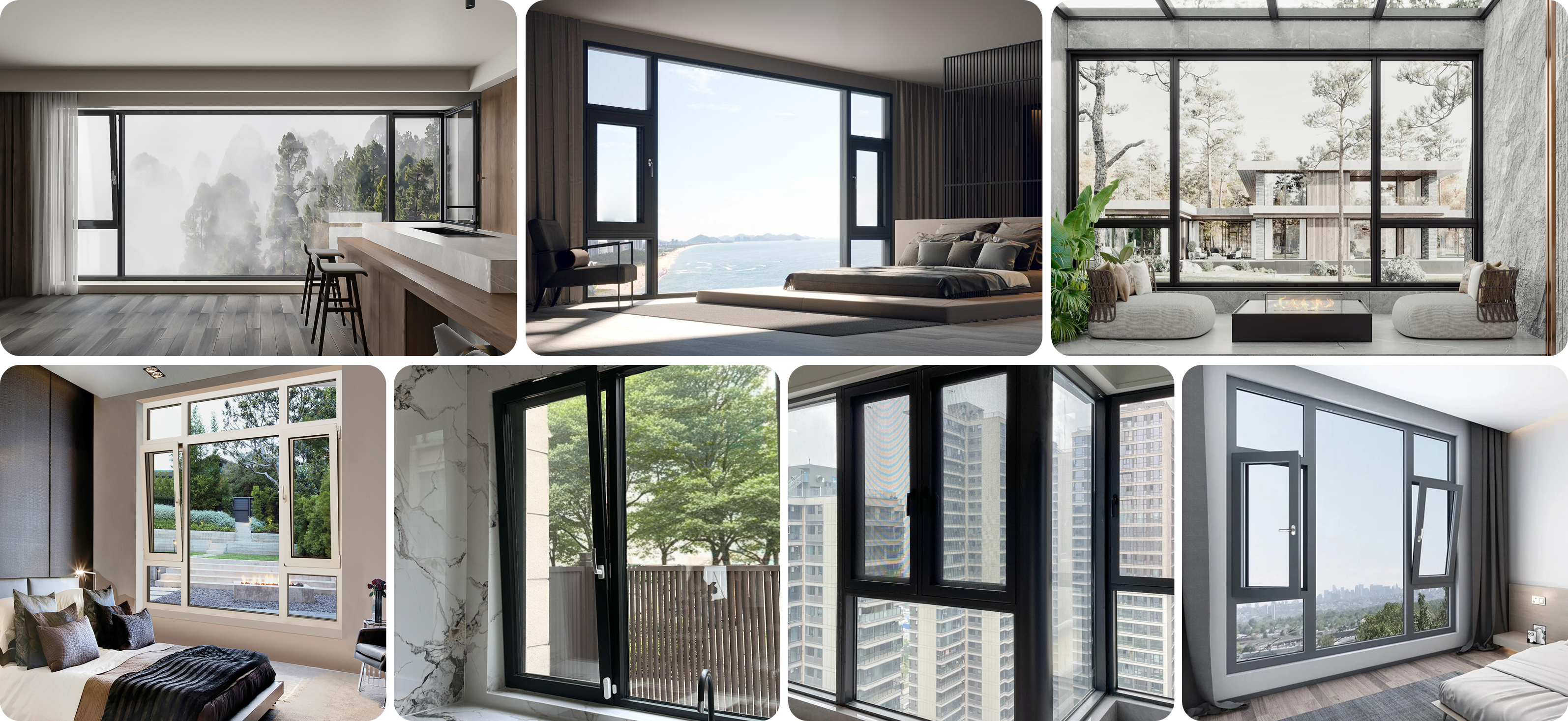
| Application Scenario | Kitchen, Bedroom, Study, Balcony, Toilet, Curtain Wall, Office, Hotel |
Key Features & Highlights
A strong double casement window should improve the building in several ways at once. It should help the façade look cleaner, help the room feel quieter, and help the user manage air and light more precisely. This product delivers that value through its operating logic, insulated profile direction, and more complete finish system. Rather than behaving like a single-purpose opening, it performs as a better-controlled interface between interior and exterior conditions.
Triple-mode ventilation control
The tilt, turn, and double-swing logic creates a more flexible response to airflow needs than a single-action window.
Seal insulation focus
The product page directly identifies seal insulation as a core advantage, reinforcing its role in thermal and acoustic comfort.
Dual-casement synchronization
This feature supports a more coordinated opening action and a cleaner operational experience for paired sashes.
Structural reinforcement
Reinforcement improves the sense of reliability, especially in larger openings or demanding daily-use environments.
Broad finish flexibility
Multiple treatment options make it easier to align the window with different façade palettes and project styles.
Wide application range
The product is positioned for residential rooms, hospitality settings, offices, and even curtain wall-related applications.
Glazing, Thermal Performance & Acoustic Comfort
Across the aluminum casement window category, glazing and insulation are among the most decisive buying factors. Competitor pages repeatedly highlight double glazing, triple glazing, soundproofing, Low-E glass, and thermal-break performance, while branded category pages emphasize how casement formats support a more comfortable and better-controlled interior environment. This product belongs naturally within that performance-driven segment because the original page already frames it through heat insulation, sound insulation, and thermal-break logic.
Thermal-break direction
A thermal-break window system helps reduce heat transfer and supports better year-round indoor comfort.
Insulated window positioning
The product title and aliases clearly present it as an insulated window solution rather than a simple aluminum opening.
Sound insulation value
This matters in bedrooms, studies, hotels, and offices where reduced noise contributes directly to comfort and concentration.
Double-glazing relevance across the market
Competing pages consistently pair aluminum casement systems with double-glazed or triple-glazed specifications, showing that insulated glass is a core expectation in this category.
Better environmental control
When frame insulation, sealing, and glazing work together, the room feels more stable in temperature and quieter in daily use.
This performance layer is important because windows are judged every day, not only at installation. A product that improves thermal calm, outside-noise reduction, and indoor usability has far stronger long-term value than one chosen only for appearance.
Operation, Hardware & Ventilation Control
One of the clearest market-wide patterns is that casement windows are often selected for ventilation quality. Milgard describes casement windows as side-hinged openings that swing outward and provide excellent ventilation, even noting that they can offer fuller airflow than many double-hung designs. In the more technical competitor set, precision hardware, tilt-and-turn operation, and multi-opening flexibility appear again and again. This product aligns with that expectation through its triple-mode operation and dual-casement synchronization.
More precise airflow management
Tilt mode supports gentler daily ventilation, while turn or full swing operation supports stronger air exchange.
Better usability in different weather conditions
Flexible opening positions allow users to balance comfort, airflow, and exposure more carefully.
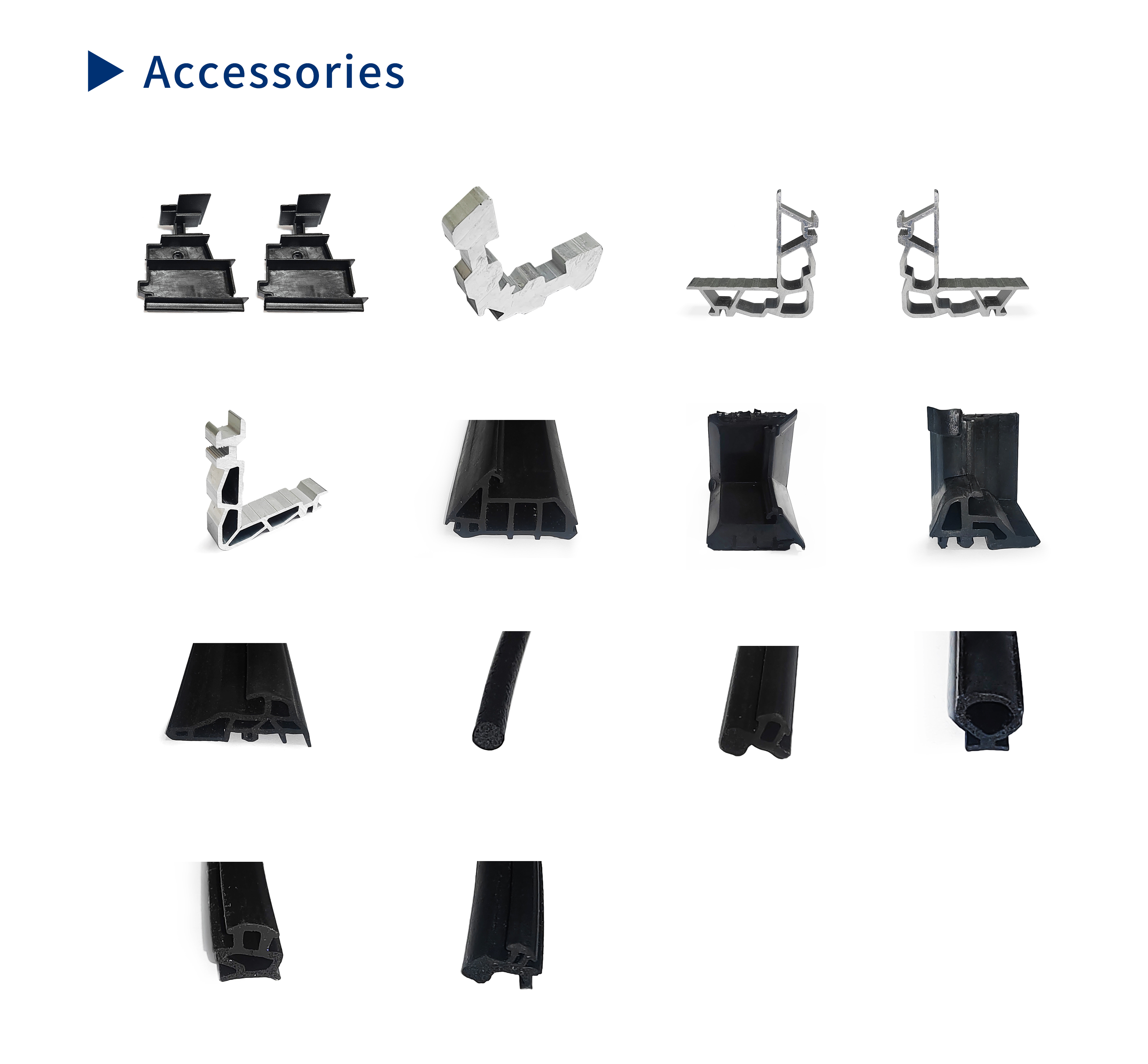
Hardware matters to performance
Competing listings specifically emphasize precision hardware, which reflects how important smooth, stable operation is in premium casement systems.
Dual-casement synchronization improves coordination
For paired sash windows, synchronized movement can make everyday operation feel cleaner and more controlled.
Suitable for comfort-led architecture
A window that opens intelligently is more useful in bedrooms, studies, offices, and hospitality rooms than one with a single rigid opening behavior.
This is one of the product’s strongest commercial points. The value is not simply that the window opens, but that it gives the user better command over how the room breathes.
Materials, Finishes & Architectural Appearance
Material and finish choices strongly influence how an aluminum window is perceived. Andersen highlights the appeal of aluminum through narrow profiles and expansive glass, showing why architects and project buyers continue to value the material in modern building envelopes. The current product page strengthens that positioning through 6063 series alloy, 6063-T5 temper, and a broad list of finish treatments ranging from anodizing to fluorocarbon spray and wood-grain coating.
6063 series aluminum alloy
This material direction supports a precise frame profile and reliable fabrication logic for modern window systems.
6063-T5 temper
The temper specification adds credibility to the structural and manufacturing profile of the product.
Narrower, cleaner architectural reading
Aluminum systems are often valued because they help maximize glass while keeping the frame visually disciplined.
Wide finish palette
Powder coating, anodizing, fluorocarbon spray, brushing, polishing, and wood-grain coating make the system easier to adapt to different façade and interior styles.
Better project matching
Finish flexibility is especially important when the same window family must serve residential, hospitality, and mixed-use applications.
The tactile impression also matters. A well-finished aluminum frame feels crisp, dry, and exact in the hand, while the visual result stays calmer and more durable-looking than many heavier decorative alternatives.
Customization, Application & Project Fit
Another common dimension across competitor pages is adaptability. Made-in-China listings repeatedly combine words such as customized, soundproof, secure, tilt-turn, fixed, awning, and sliding, which shows that buyers in this category compare systems by how well they fit the project rather than by a single generic configuration. The current product page supports that same logic by naming a wide application range that includes kitchens, bedrooms, studies, balconies, toilets, offices, hotels, and curtain wall scenarios.
Residential versatility
Kitchens, bedrooms, studies, and balconies all benefit from a window that combines ventilation and insulation.
Hospitality suitability
Hotels need quieter, more comfortable rooms with dependable opening systems and a cleaner façade appearance.
Office applicability
Better ventilation and sound control are especially valuable in work-oriented spaces.
Façade integration potential
The mention of curtain wall applications suggests a broader architectural compatibility than a purely small-scale domestic window.
Surface-treatment customization
Because finish options are extensive, the system can align more easily with different project palettes and design intents.
This fit-to-project flexibility is one of the main reasons aluminum casement systems remain so competitive. They are not chosen only for one room or one building type, but for their ability to solve several building-envelope needs within a single coherent system.