
Author: Site Editor Publish Time: 2026-01-20 Origin: Site

Aluminum sliding windows have become a popular choice in modern architecture due to their sleek design, durability, and ease of use. Made from strong, lightweight aluminum, these windows offer a minimalist aesthetic while providing excellent functionality. They are particularly favored for their space-saving qualities, as they operate by sliding horizontally, rather than opening outward. This makes them ideal for both residential and commercial buildings. When it comes to high-rise buildings, aluminum sliding windows are not only feasible but also an excellent option. Their strength allows them to withstand the challenges posed by wind pressure and high altitudes, while their design offers smooth operation even on upper floors. With the right installation and safety features, aluminum sliding windows are a reliable and stylish choice for high-rise applications.
Aluminum sliding windows have become a favored choice in high-rise buildings due to a combination of lightweight strength, space efficiency, and aesthetic appeal. These features make them ideal for modern skyscrapers and multi-story constructions, where performance, design, and practicality are crucial.
Aluminum’s natural strength-to-weight ratio makes it an excellent material for high-rise windows. Despite being lightweight, aluminum is highly durable and resistant to external forces like wind pressure, which is a critical factor in tall buildings. This allows aluminum sliding windows to be larger and stronger without adding unnecessary weight to the structure. Their resistance to corrosion and environmental damage also ensures they remain sturdy and reliable over time, even in extreme weather conditions.
In high-rise buildings, space efficiency is paramount. Aluminum sliding windows are perfect for such environments because they do not require outward clearance to operate. Unlike traditional windows that open outward, sliding windows move horizontally, saving valuable space. This feature is especially beneficial in high-rise buildings where maximizing usable space and avoiding obstructions is a priority. The design allows for more flexibility in interior design and placement, making them ideal for both residential and commercial properties in urban settings.
Aluminum sliding windows are known for their sleek and modern design, which complements the clean, contemporary look of high-rise buildings. Their slim frames maximize the glass area, allowing for unobstructed views of the surrounding cityscape or natural landscapes. This minimalist aesthetic enhances the architectural appeal of skyscrapers, making aluminum sliding windows a preferred choice for architects and designers. The combination of modern style and practicality makes them a visually attractive and functional addition to any high-rise building.
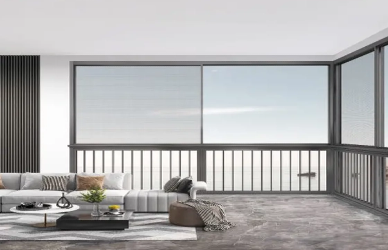
Aluminum sliding windows offer numerous advantages that make them an excellent choice for high-rise buildings. Their combination of ease of operation, energy efficiency, and low maintenance ensures they meet the demands of modern skyscrapers and multi-story structures. Here's a closer look at the key benefits:
One of the most significant advantages of aluminum sliding windows is their smooth and effortless operation, even on higher floors. The sliding mechanism allows the window to open and close with minimal effort, making it especially convenient for high-rise buildings where access to windows can be more difficult. Whether for ventilation or cleaning, aluminum sliding windows glide smoothly without the need for heavy lifting or additional space, which is especially useful in apartments and offices located at elevated heights.
Aluminum sliding windows are designed with high-performance glass and thermal insulation options, helping to reduce energy consumption in high-rise buildings. Modern aluminum windows can be equipped with double or triple glazing, which provides superior insulation by keeping the indoor temperature stable. This insulation reduces the need for heating and cooling, lowering energy bills and improving comfort for residents or tenants. The advanced thermal breaks in the aluminum frames also prevent heat transfer, contributing to overall energy savings.
Aluminum’s natural resistance to corrosion and environmental wear makes it ideal for the harsh conditions often encountered in high-rise buildings. Whether exposed to wind, rain, or extreme temperatures, aluminum sliding windows are incredibly durable and require minimal upkeep. Unlike wood, which can rot or warp, or steel, which may rust, aluminum maintains its appearance and performance over time. Regular cleaning is usually sufficient to keep the windows in good condition, making them a low-maintenance, cost-effective choice for high-rise buildings.
When installing aluminum windows in high-rise buildings, several structural considerations must be taken into account to ensure that the windows perform safely and efficiently over time. Key factors like window strength, safety features, and compliance with building codes play an essential role in achieving durability, security, and structural integrity. Here's a breakdown of the most important considerations:
High-rise buildings are subject to extreme environmental forces such as wind pressure and vibrations. Aluminum window frames need to be engineered to withstand these forces without compromising their performance. Window strength is crucial to prevent deformation or failure during high winds or storms, which are common in tall structures. The frames must be designed with adequate reinforcement to handle the pressure exerted at higher elevations. Additionally, the frames should be securely anchored to the building’s structure to ensure frame stability and minimize any movement or shifting, which could affect the window’s function or safety. Properly designed frames help ensure that the windows can perform reliably over time, maintaining their integrity even in challenging conditions.
The safety of residents and the security of the building are top priorities when installing aluminum windows in high-rise buildings. It is essential to incorporate secure locking mechanisms that prevent unauthorized access. Multi-point locks are often used in aluminum windows to provide added security, ensuring that the windows stay firmly closed in both the locked and tilted positions. In addition to secure locking systems, tempered glass is critical for high-rise applications. Tempered glass is designed to break into small, less harmful pieces in the event of shattering, reducing the risk of injury. This feature is especially important in high-rise buildings, where the potential for glass falling is a significant concern.
Compliance with local building codes and regulations is essential when installing windows in high-rise buildings. These codes are designed to ensure the safety, durability, and energy efficiency of the building and its components. High-rise construction codes often require specific wind load ratings, impact resistance tests, and thermal performance requirements for windows. Aluminum windows must meet these standards to ensure that they can handle the unique stresses and demands of high-rise environments. Additionally, local building codes may dictate the minimum requirements for fire resistance, ventilation, and emergency exit functionality, which must be factored into the design and installation process. Working with certified installers ensures that all relevant codes are followed and that the windows are installed correctly.
Yes, when properly installed, aluminum sliding windows are safe for high-rise buildings. They are designed with strong frames that can withstand high wind pressures, secure locking mechanisms to prevent unauthorized access, and tempered glass to reduce the risk of injury in case of breakage. These features ensure that the windows provide both security and durability, even at great heights.
Aluminum sliding windows are engineered to handle high wind pressures and environmental stresses common in high-rise buildings. The reinforced frames ensure stability, and advanced design features prevent warping or distortion. These windows are tested to meet stringent wind load ratings required for tall structures, making them highly suitable for high-altitude environments.
Yes, aluminum sliding windows can help reduce energy consumption in high-rise buildings. With energy-efficient glazing options such as double or triple glazing, these windows help maintain consistent indoor temperatures, reducing the need for excessive heating or cooling. The thermal insulation provided by these windows ensures better climate control, ultimately lowering energy bills and enhancing the building's overall energy efficiency.
No, aluminum sliding windows are low maintenance thanks to aluminum’s resistance to corrosion and environmental wear. Unlike wood or steel, aluminum does not rust, rot, or warp. Regular cleaning and occasional seal checks are usually sufficient to maintain their appearance and functionality. This makes them ideal for high-rise buildings, where access to windows can be difficult.
In conclusion, aluminum sliding windows are an excellent option for high-rise buildings, offering a perfect blend of durability, energy efficiency, and modern aesthetics. Their lightweight yet strong frames make them ideal for tall structures, able to withstand high wind pressures and environmental challenges. With energy-efficient glazing options, aluminum sliding windows help maintain a comfortable indoor environment while reducing heating and cooling costs. Additionally, their sleek, minimalist design enhances the visual appeal of modern skyscrapers. Whether for residential, commercial, or mixed-use high-rise buildings, aluminum sliding windows provide a reliable, stylish, and low-maintenance solution that meets the demands of contemporary urban architecture.


