
Author: Site Editor Publish Time: 2026-02-02 Origin: Site

Aluminum insulated windows are becoming an increasingly popular choice for homeowners and businesses alike due to their superior energy efficiency and sleek, modern design. These windows combine the durability and strength of aluminum frames with advanced insulated glazing to provide better thermal performance, making them ideal for reducing energy consumption. As more people become conscious of their environmental impact, the question arises: Are aluminum insulated windows environmentally friendly? The answer is yes. Thanks to their ability to reduce the need for heating and cooling, lowering energy bills and carbon footprints, and the use of recyclable aluminum, these windows offer a sustainable solution for improving both comfort and environmental responsibility in any building.
Aluminum insulated windows are a type of window that combines aluminum frames with insulated glass to offer enhanced energy efficiency. These windows typically consist of two or more panes of glass, with a layer of insulating material between them, which serves to reduce heat transfer. The aluminum frame provides strength and durability, while the insulated glass creates a barrier that helps regulate the temperature inside the building. This combination of materials makes aluminum insulated windows highly effective in controlling indoor climate, reducing the need for artificial heating or cooling.
The insulating material within aluminum insulated windows plays a crucial role in their energy efficiency. Several types of insulation can be used to enhance the window's thermal performance:
Argon Gas: One of the most common insulating materials used between the glass panes is argon gas. This inert, colorless, and odorless gas has a lower thermal conductivity than air, which helps to reduce heat transfer. By filling the space between the glass panes with argon, aluminum insulated windows become more efficient at maintaining consistent indoor temperatures.
Low-E Coatings: Low-emissivity (Low-E) coatings are thin, transparent coatings applied to the glass surfaces of windows. These coatings help to reflect heat back into the room during colder months, while also blocking UV rays and reducing solar heat gain in warmer months. Low-E coatings enhance the thermal insulation of the window and improve its overall energy efficiency.
Aluminum insulated windows not only enhance the aesthetic and functional aspects of a building, but they also offer significant environmental benefits. Here’s how these windows contribute to sustainability, energy efficiency, and improved indoor environments:
One of the primary environmental benefits of aluminum insulated windows is their energy efficiency. The combination of an aluminum frame and insulated glass (often filled with argon gas or equipped with Low-E coatings) helps to significantly reduce the amount of heat that escapes from or enters the building. This results in lower heating and cooling demands throughout the year, leading to reduced energy consumption. During colder months, the insulation helps keep warmth inside, and in warmer months, it blocks excess heat from the sun, reducing the need for air conditioning. This natural climate control reduces the need for artificial heating or cooling, making these windows a highly energy-efficient choice.
By improving energy efficiency, aluminum insulated windows help lower a building’s overall carbon footprint. With reduced reliance on heating systems and air conditioning, these windows contribute to lower greenhouse gas emissions from power plants, which in turn helps fight climate change. As energy-efficient windows reduce the energy needed to maintain comfortable indoor temperatures, they indirectly reduce the environmental impact of electricity production, which often relies on fossil fuels. The more homes and buildings adopt these energy-efficient windows, the greater the collective reduction in global carbon emissions.
Aluminum is a highly sustainable material, primarily because it is 100% recyclable. Unlike some materials that degrade in quality with repeated recycling, aluminum retains its integrity throughout the recycling process, making it ideal for eco-conscious construction. In fact, recycled aluminum requires only 5% of the energy used to produce new aluminum, making it an environmentally sound choice. The long lifespan of aluminum windows, often spanning decades, further contributes to sustainability, as they do not need to be replaced as often as other materials. This longevity reduces the demand for new raw materials and manufacturing, which has a positive effect on resource conservation.
Improved insulation not only helps reduce energy consumption but also positively impacts indoor air quality. By preventing drafts and moisture infiltration, aluminum insulated windows can help maintain a stable, comfortable indoor climate, preventing issues like mold growth and condensation that can contribute to poor air quality. These windows also help keep out pollutants and allergens, providing cleaner air inside the home or building. Since aluminum windows with insulated glass limit the need for constant air conditioning or heating, they can also help prevent the circulation of dust, pollutants, and harmful chemicals that are often present in HVAC systems.
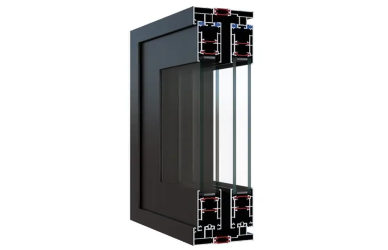
Aluminum insulated windows are not only beneficial for energy efficiency but are also produced with eco-friendly manufacturing processes that minimize their environmental impact. Here's how these windows support sustainability through eco-friendly materials and green certifications:
Recycled Aluminum: Aluminum is highly recyclable, and many manufacturers use recycled aluminum in window frames. Recycling aluminum requires just 5% of the energy needed for new production, reducing resource extraction and mining.
Insulating Glass: The glass used in aluminum insulated windows often incorporates Low-E coatings and argon gas for better thermal performance. These materials improve energy efficiency and are durable, reducing the need for frequent replacements.
Sustainable Manufacturing: Many manufacturers adopt sustainable practices, including minimizing waste, using renewable energy, and reducing water usage in production processes.
Several green certifications ensure that aluminum insulated windows meet high standards for energy efficiency and environmental impact:
ENERGY STAR®: This certification guarantees that the windows meet strict energy efficiency standards, helping to reduce energy consumption and lower heating and cooling costs.
NFRC (National Fenestration Rating Council): The NFRC label rates the energy performance of windows, including thermal insulation and solar heat gain.
LEED (Leadership in Energy and Environmental Design): LEED-certified buildings can earn points for using energy-efficient windows, contributing to reduced carbon emissions.
Cradle to Cradle Certification: Windows with this certification are designed for full recyclability, ensuring that they can be reused or recycled at the end of their life cycle.
Aluminum insulated windows offer superior thermal insulation, helping to maintain a consistent indoor temperature by minimizing heat loss in winter and heat gain in summer. This reduces the demand for heating and cooling systems, which leads to lower energy costs and a reduced carbon footprint. With energy-efficient features like Low-E coatings and argon gas fill, these windows optimize energy use, making them an excellent choice for both residential and commercial buildings looking to improve their energy performance.
Yes, aluminum is one of the most recyclable materials available. Aluminum windows can be fully repurposed at the end of their lifespan, reducing waste and contributing to a circular economy. Recycling aluminum saves energy and reduces the environmental impact associated with producing new aluminum from raw materials. This makes aluminum windows an environmentally friendly choice, supporting sustainability over their entire lifecycle.
Yes, aluminum insulated windows significantly lower energy consumption by improving thermal performance. By creating a better seal around the window, they reduce the need for constant heating or cooling, which leads to lower energy bills. The insulating properties of these windows help maintain a stable indoor environment without the excessive use of air conditioning or heating, especially in extreme weather conditions, making them an energy-efficient option for both homes and offices.
Yes, aluminum insulated windows help maintain stable indoor temperatures, which reduces the buildup of moisture and prevents mold growth. This leads to improved indoor air quality by keeping humidity levels in check, which can otherwise promote the growth of mold and mildew. Better insulation also reduces the need for mechanical ventilation systems, ensuring a cleaner, more natural air flow. As a result, these windows contribute to a healthier and more comfortable indoor environment.
Aluminum insulated windows offer significant environmental benefits, making them an excellent choice for those seeking to reduce their environmental impact. These windows combine the strength and durability of aluminum frames with advanced insulating materials, such as argon gas and Low-E coatings, to significantly improve energy efficiency. By enhancing thermal performance, aluminum insulated windows help maintain a stable indoor temperature, reducing the need for excessive heating and cooling, which in turn lowers energy consumption and carbon emissions. Moreover, aluminum’s recyclability ensures that these windows contribute to a more sustainable, circular economy, minimizing waste. Additionally, their ability to prevent moisture buildup not only helps improve indoor air quality but also reduces the risk of mold growth, leading to a healthier indoor environment. With these combined benefits, aluminum insulated windows are a smart investment for anyone looking to enhance energy efficiency and contribute to a greener, more sustainable future. We encourage readers to consider these eco-friendly window options to improve their home’s comfort, reduce energy bills, and support a healthier planet.


